Standing on hot ground
Impressive, what acient polynisian people already know about geothermal and volcanic systems in the reagion! There sagas and tales (pūrākau legend) align vulcanos, geothermal features, geysirs etc across the Pacific into the depth of New Zealand. Really understood it as a connected system, not just features, standing by themself.
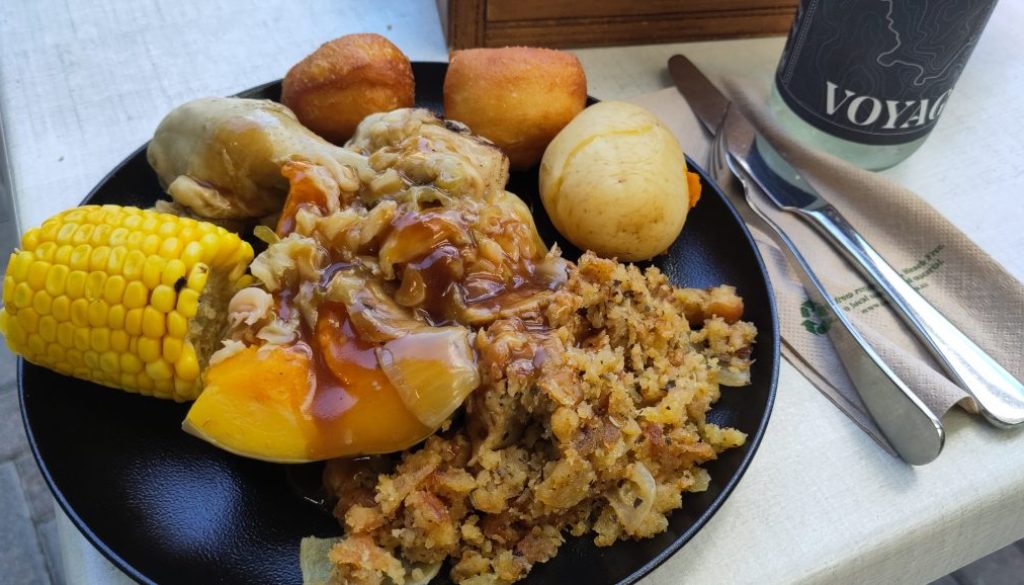
It doesn’t stop with the knowledge about the geothermal system. Looking at the traditional structure of pā’s (settlements) in this area [maybe also somewhere else, but that I don’t know], maori activly use(d) the features: where hot stones warm up the river, you find bathing places and laundry spots. The communial kitchen made use of the steam from the earth. A Hangi meal is a traditional dish, cooked with heat in the ground. I’m quite sure, this is a practice in a lot of places with polynesian background, not per se depending on geothermal surroundings. The meal is a combination of potatos, kale, sweet potatos, saisonal veggies, corn and chicken.
Of course, the medical implications of mud pools and hot springs found their way into daily life. A traditional house had just one sleeping room for the mother and children, and the father usually was sleeping outside on the patio. The hot ground delivered comfort in cold nights.
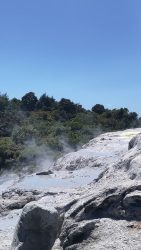
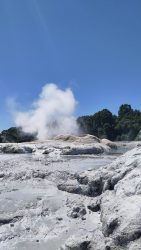
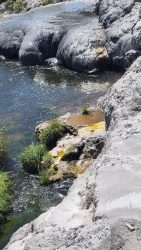
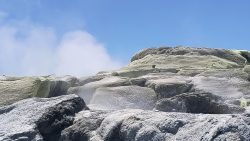
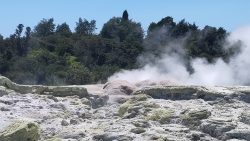
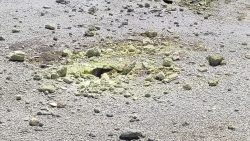
To the eye, the landscape is a bit a strange sight. There seems to be not much life in and around the hot places, what, of course, is not true. Different bacteria and other microbes give specific colours to the stones and the water. Tea trees standing quite close to the heat. Steam and smells everywhere. And at some special places, you have to be carefull: geysirs, hot steam fountains, some with a strong rithm, others completly unpredictable.
After a day walking on hot grounds, a hottub seemed to be the right place to relax 🙂