The middle of New Zealand?
The botanic reserve catched my attention. Here, they replanted an forest with only native plants. The conservation office tries to keep it that way. Thus, I was quite curious to find out, what I would see in a (still very young) original forest. On my way to the hill, I crossed Queens Garden and stumpled (almost) upon a plate, that reminded of a visit of Beatrix, planting a tree there to honor an anneversary. It’s a really cute little garden, with hidden corners and features. Spent there quite some time.
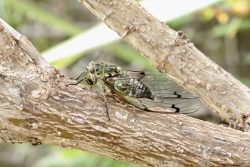
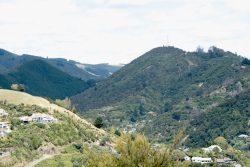
The forest at Botanic Hill seemed to me not that much different of what I had seen at Waimarino at the Marton Sash and Door track. Saw some birds, this time, even heard some of them. The noise, circades makes around this time of the year all over the country is impressive! At the top of the hill, a mark is set: centre of New Zealand. It isn’t actual the center of the country, doesn’t matter, which methode of measurement you follow. It is a point, where measurements started to find out.
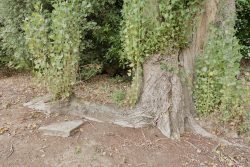
Still a place with a great view all around! On my way down, I visited one of the few still standing kauri trees. Sacred to Maori.
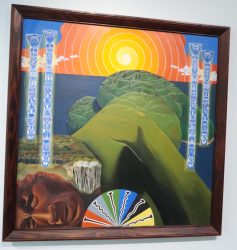
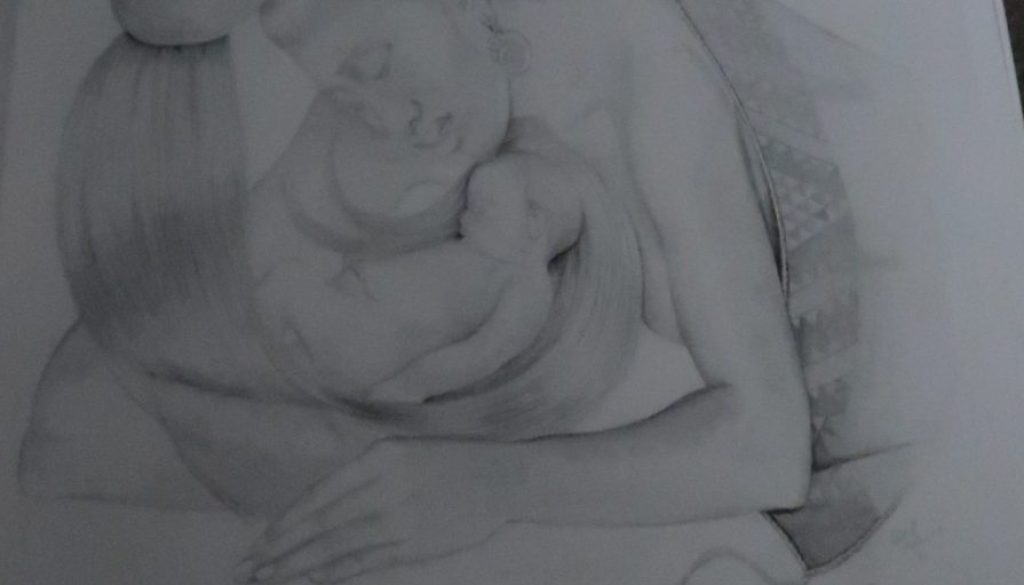
At Suter, I couldn’t get a coffee… they were about to close. What I could do was a walk through the galery. Don’t get me wrong: this was better than coffee! Four different rooms, with each an own theme/artist on display. The first -photographs of plants, just silhouttes, a style that I love! The second a warship to plants on the planet, and what it means for us as mankind. The third kept me exploring! Partly, it was an interpretation of Maori’s legends (which I am reading right now). Putting pictures to the tales like as they follow natives tradition made me think, again, about what I learned. This exhibition was meant to honor omniscient Maori women, by Robyn Kahukiwa. Combined with some protest paintings, “discussing” what is heritage to whom. The last room showed work of Lisa Chandler, a local artist. The theme: “What remains”, wherein the artist explores human compassion, social fracture and loss. One of the works, an new interpretation of “The works of Mercy” from the Master of Alkmaar (around 1500) despicts 7 freedoms of the humans rights. Special, these universial links.